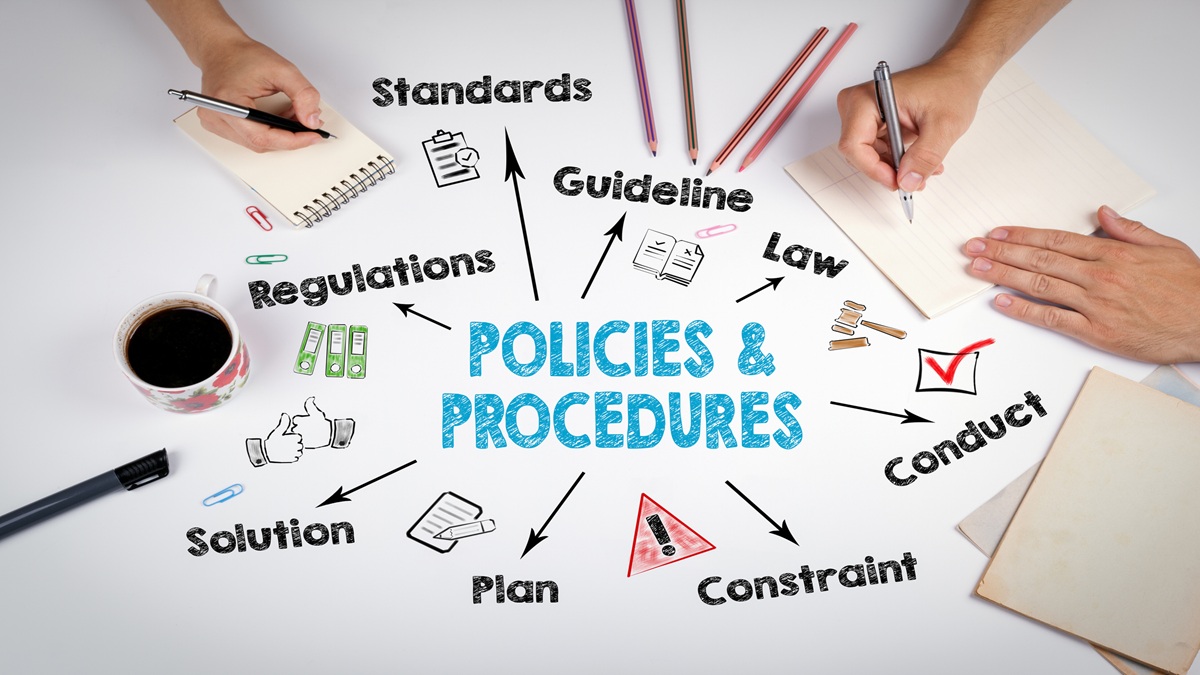
As the days get longer and the first signs of spring emerge, many of us embrace the season of renewal by decluttering our homes, refreshing our workspaces, and organizing our schedules. But while you’re at it, don’t overlook an area of your business that could benefit from a seasonal refresh—your organization’s policies and procedures.
Company policies and operational guidelines are not meant to be “set and forget.” A comprehensive annual review ensures compliance, improves efficiency, and keeps your business adaptable to changing regulations and technological advancements. This spring, take the time to dust off those policy manuals and ensure your organization is up to date.
AI: A Moving Target
Artificial intelligence is transforming industries at an unprecedented pace, and businesses can no longer afford to ignore its impact. Whether your company actively integrates AI or remains cautious about its adoption, clear policies must define your organization’s stance. Key considerations include:
- Are AI tools being utilized? If so, how are they being integrated into workflows? Are employees aware of best practices for AI use?
- What ethical boundaries need to be in place? Establish guidelines on data usage, algorithm bias, and AI-generated decision-making to ensure fairness and accountability.
- Who is responsible for oversight? Defining roles for AI governance within your organization helps maintain control and transparency.
Why AI Policies Matter
Having well-defined AI policies isn’t just a box to check—it ensures:
Accountability and transparency in AI-driven decision-making.
Risk mitigation and compliance with emerging AI regulations.
Data security and ethical safeguards to protect consumer and employee information.
Employee training and adoption strategies to ensure proper implementation.
AI is not just a futuristic concept—it’s a workplace reality. Establishing proactive policies today will save your business from confusion, inefficiencies, and potential legal issues in the future.
Regulatory Updates: Staying Ahead of Change
Regulations don’t wait for your next policy review cycle. From data privacy laws to evolving labor regulations, staying ahead of legal requirements is essential for business continuity and compliance. This year, key areas to monitor include:
Data Privacy & Protection – Laws such as HIPAA (U.S.), GDPR (Europe), and CPRA (California) impose stringent requirements on data security and user consent.
AI Regulations – The U.S. AI Executive Order and global frameworks like the EU AI Act are shaping how businesses can use artificial intelligence.
Cybersecurity Standards – Frameworks like ISO 27001 and NIST require businesses to strengthen their cybersecurity postures to protect sensitive data.
Financial & Accounting Compliance – New FASB accounting standards may impact financial reporting requirements. Employment & Labor Laws – Changes in OSHA, FMLA, and wage laws could impact HR policies and benefits.
ESG & Corporate Governance – Companies increasingly face scrutiny regarding sustainability, ethical governance, and SEC disclosure requirements.
Failing to keep up with these evolving regulations can result in hefty fines, reputational damage, or operational disruptions. A proactive approach ensures your business remains compliant and prepared.
Technology: Updating for the Digital Age
Technology is reshaping the way businesses operate, and policies must keep pace with innovation. As you roll out new tools, ask yourself:
Are these updates organization-wide or department-specific? Tailoring policies to relevant departments ensures clear expectations.
How do employees access and use the new tools? User-friendly documentation and training programs improve adoption rates.
What risks, security concerns, or compliance issues need to be addressed? Cybersecurity protocols should align with new technology implementations.
A well-documented technology rollout ensures: Employees understand how to use tools effectively. Security risks are identified and mitigated. Operations align with industry best practices and compliance standards.
Growth & Expansion: When Policies Need to Scale
Business growth is exciting, but expansion comes with new regulatory obligations. If your workforce has grown or expanded into new regions, your policies may need adjustments.
- Have you reached the 50-employee threshold? This triggers new requirements under FMLA, requiring job-protected leave for eligible employees.
- Are you operating in new states or countries? Each jurisdiction has unique labor laws, tax obligations, and compliance standards.
- Have remote or hybrid work patterns changed? Policies should address work-from-home guidelines, cybersecurity for remote access, and performance expectations.
Staying on top of these changes minimizes legal risks and provides clarity for employees, ensuring compliance with all applicable labor laws.
Spring Cleaning for Your Business
Spring cleaning isn’t just about decluttering your space—it’s about refreshing your operations to maintain compliance, efficiency, and preparedness. Reviewing your policies and procedures now will save you time, money, and headaches down the road.
When was the last time your policies got a check-up? If it’s been a while, now is the perfect time to review, update, and future-proof your organization’s policies